2026-10-17 ·
Wildfire Preparedness for South Prairie Homes Near Forest Edges
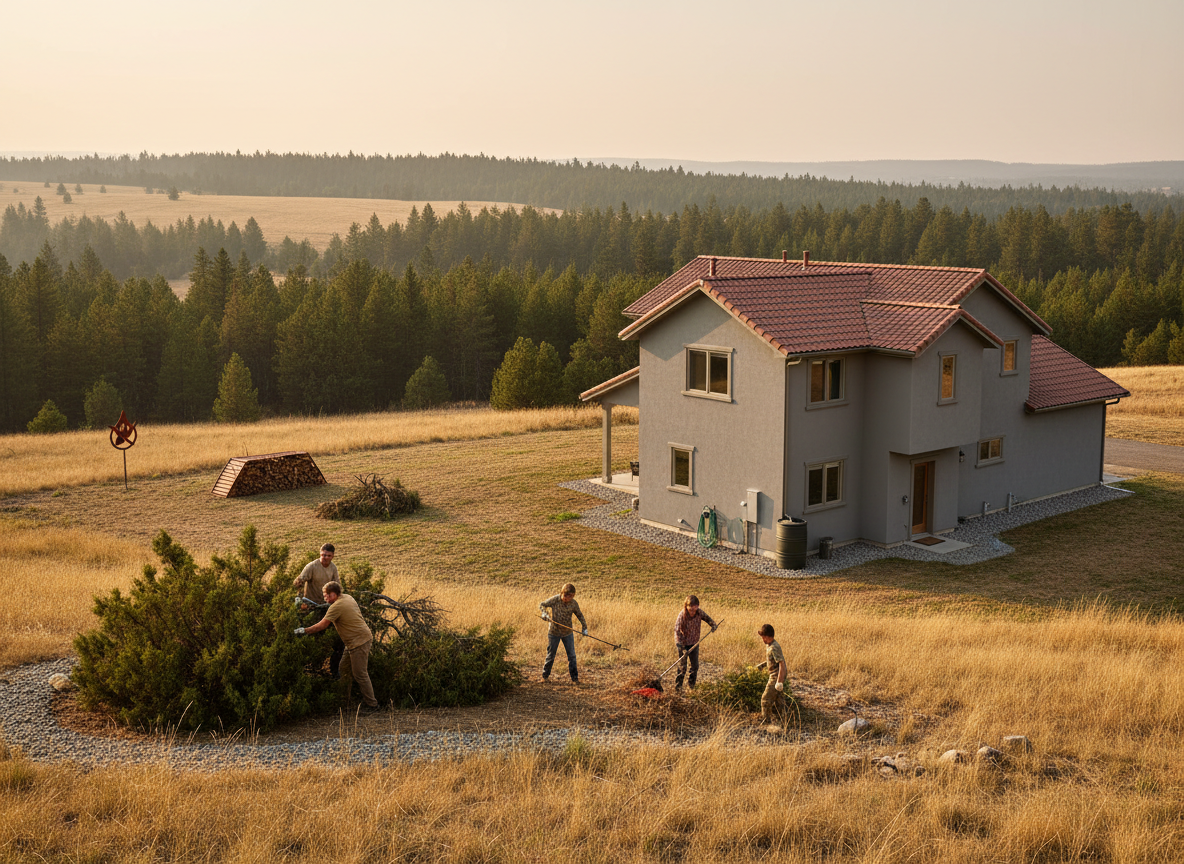
South Prairie homes near forest edges require at least 30 feet of cleared defensible space and ember-resistant roofing to cut wildfire spread by 50-70 percent in Pierce County's dry summer months. Marine west coast winters keep fuels moist much of the year, yet August through October brings low humidity and east winds that push flames from Enumclaw and Buckley ridges toward scattered properties along WA-162.
Assessing Property Risk in South Prairie
Walk the perimeter during late summer when grasses cure and check for continuous fuels within 100 feet of the structure. Older single-story homes common in South Prairie often have cedar siding and shake roofs that ignite from wind-driven embers traveling a quarter mile. Note slope direction—homes on south-facing hillsides dry faster and need wider clearance zones than flat parcels near the Carbon River. Document roof valleys, gutters, and attic vents where needles accumulate, then photograph these spots for insurance records. Properties within two miles of the Buckley tree line see the highest ember exposure during regional events.
Building Defensible Space Around Forest-Edge Homes
Remove all dead vegetation and trim tree branches to at least 10 feet above the ground within the first 30-foot zone. Replace flammable mulch with gravel or rock within five feet of siding to stop ground fire creep. In the 30- to 100-foot zone, thin trees so crowns stay 10-15 feet apart and keep grass under four inches. South Prairie’s frequent fall rains help regrowth, so schedule annual clearing before July. Homes near Enumclaw roads often benefit from shared clearing with neighbors to break fuel continuity across property lines.
Hardening Homes Against Embers and Heat
Install metal mesh screens with 1/8-inch openings over all attic and crawl-space vents to block ember entry. Replace single-pane windows with dual-pane units rated for 30-minute fire exposure where possible. Seal gaps around doors and utility penetrations with fire-rated caulk rated to 1,000 degrees. Metal roofing lasts 40-50 years here and sheds embers better than composition shingles in wind events. Check that rain gutters are metal or cleaned monthly during dry periods so debris does not ignite against fascia boards.
Creating a Family Evacuation Plan
Identify two exit routes—one toward Buckley via WA-162 and one toward Orting—then practice loading vehicles in under 15 minutes. Keep a go-bag with three days of water, medications, and copies of insurance documents in the garage. Sign up for Pierce County emergency alerts and test the radio during winter storms to confirm reception. Designate a meeting point outside the evacuation zone, such as the Enumclaw fairgrounds, and assign one person to account for pets. Review the plan each spring before fire season begins.
Recovery Steps After a Wildfire Event
Once safe to return, avoid entering until utility companies confirm power and gas are stable. Contact professionals for smoke remediation to prevent hidden corrosion in wiring and HVAC systems common after rural fires. Track all cleanup costs and photograph every affected room for documenting fire damage for insurance claims in Pierce County. Wet winter rains following a fire can drive soot deeper into porous materials, so prompt 24 hour fire restoration limits secondary moisture damage. Review what affects fire restoration timelines in rural Washington to set realistic expectations for structural drying in our climate.